
Web Analytics: The Hidden Growth Engine Every SME Needs
Introduction:
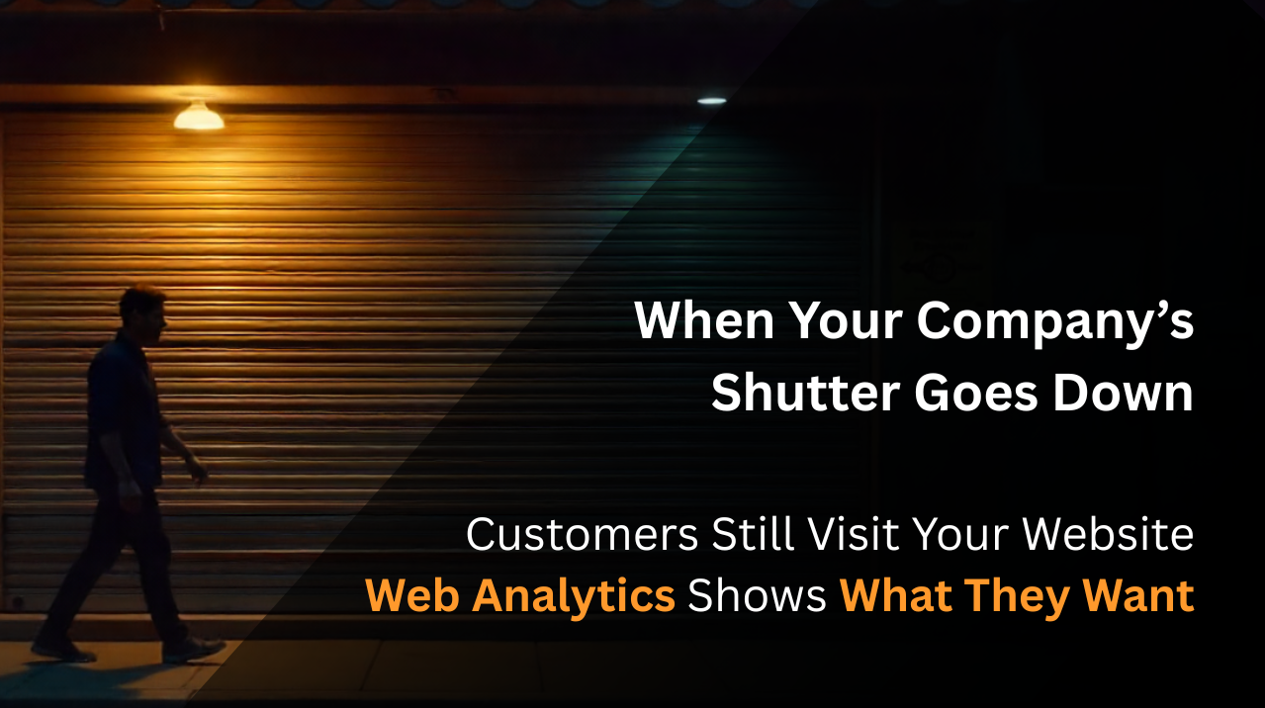
Running a business today without web analytics is like running a shop with the lights turned off. Customers may come and go, but you won’t know who visited, what they wanted, or why they left without buying.
For Small and Medium Enterprises (SMEs), every lead matters, every customer counts, and every rupee spent on marketing must bring results. That’s where web analytics becomes a game‑changer.
Web analytics isn’t just about counting visitors ‑ it’s about understanding behaviors, preferences, and performance. It shows which product page attracts attention, what time prospects are most active, and which marketing source brings the most qualified leads.
Many SMEs assume analytics is “only for big companies” or “too technical.” In reality, it’s now simpler, smarter, and more accessible than ever ‑ helping small businesses grow faster, compete smarter, and reduce costs.
In this article, you’ll discover:
- What web analytics really is
- Why it matters for SMEs
- The key metrics every SME should track
- How analytics directly drives growth
- Common myths about analytics
- How Plati‑one AI Ready Growth Suite for business growth makes analytics simple, actionable, and ROI‑driven
1. What is Web Analytics?
In simple terms, web analytics is the process of tracking, measuring, and understanding how people interact with your website or digital presence.
It answers vital questions like:
- Who is visiting my site?
- Where are they coming from?
- Which products or services are they most interested in?
- Why do some visitors leave without contacting us?
- What can I improve to increase conversions or inquiries?
Think of it as a smart mirror for your business ‑ it reflects customer behavior and turns that reflection into insights you can act on.
2. Why Web Analytics Matters for SMEs
SMEs operate with limited budgets and tight resources. That’s exactly why analytics levels the playing field ‑ it replaces guesswork with data‑backed clarity.
2.1 Know Your Customers Better
Analytics helps you see where your visitors come from ‑ their location, device, and source (Google, WhatsApp, LinkedIn, or referrals).
Example: A Pune‑based SME discovers 40% of its traffic comes from Bengaluru ‑ a perfect opportunity for a new regional campaign.
2.2 Focus on Winning Products & Services
Not every offering performs equally. Analytics reveals which product or service pages get the most attention.
Example: A packaging manufacturer learns that “eco‑friendly cartons” get double the visits of “standard boxes.” They focus marketing on sustainability ‑ and sales rise.
2.3 Save Money on Marketing
Without analytics, SMEs often spend blindly. With analytics, every rupee has direction.
Example: An industrial supplier finds “spare parts” pages bring 3× more engagement than “machinery.” They redirect and spend accordingly ‑ cutting waste, boosting ROI.
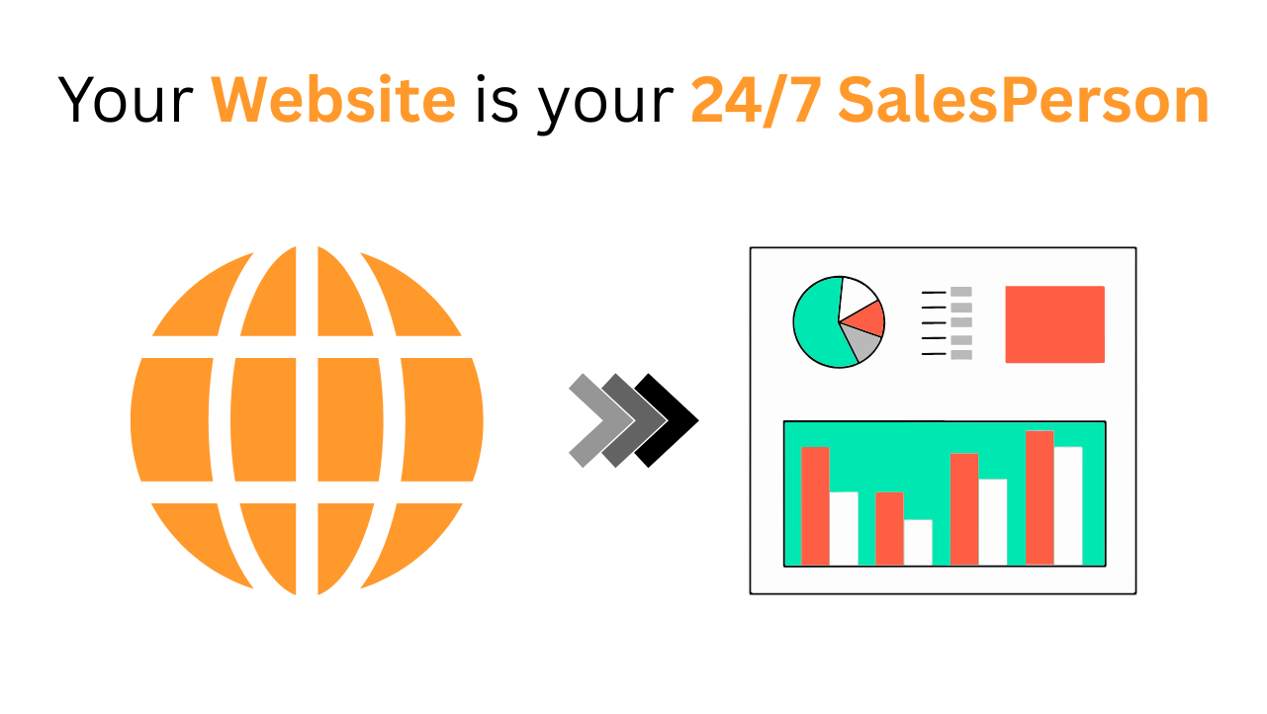
2.4 Capture Opportunities 24/7
Your business may close at 6 PM, but customers browse all night. Analytics captures that traffic so you can follow up later.
Example: A machinery exporter sees that most quote requests come from Europe between 11 PM‑2 AM IST. They simplify forms and add auto‑responders ‑ converting night traffic into global leads.
2.5 Improve Customer Experience
Analytics shows where customers drop off ‑ maybe the contact form is too long, or the page loads slowly. Fixing these issues improves conversions.
Example: A software firm finds 70% of qualified leads come from LinkedIn, while Facebook adds little value. They shift focus and triple their qualified inquiries.
3. Key Metrics SMEs Should Track
- Traffic Sources: Know where your visitors come from.
- Bounce Rate: How many visitors leave instantly.
- Conversion Rate: How many visitors take action.
- Top Pages & Products: See what customers care about most.
- Customer Journey Flow: Track where users drop off.
- Repeat Visitors: Identify loyal customers and retention trends.
4. Practical Benefits of Web Analytics for SMEs
4.1 Smarter Marketing Decisions
Analytics shows what works ‑ and what doesn’t.
Example: ₹20,000 on Facebook ads vs. 15 serious inquiries from Google Ads.
4.2 Improved Sales Funnel
Analytics reveals what prevents visitors from becoming leads.
4.3 Seasonal Planning
Identify when demand peaks.
Example: A packaging firm sees a spike in October and adjusts production early.
4.4 Cost Efficiency
Analytics tools cost far less than hiring a full‑time analyst.
4.5 Competitive Edge
Most SMEs skip analytics. The few that use it grow faster.
5. Common Myths About Web Analytics
- Myth: It’s only for big companies. Reality: Free tools like Google Analytics are perfect for SMEs.
- Myth: It’s too technical. Reality: Dashboards are simple and visual.
- Myth: I don’t have time. Reality: Reports can be automated weekly.
- Myth: It’s expensive. Reality: Free or affordable tools exist.
6. How Plati‑one Helps SMEs With Web Analytics
Plati‑one ‑ an AI Ready Growth Suite for business growth ‑ simplifies analytics into actionable insights.
6.1 AI‑Enabled Insights
Instead of raw data, you get suggestions like “Most of your leads came from WhatsApp.”
6.2 24/7 Lead Capture
Plati‑one captures and acknowledges leads automatically.
6.3 Centralized Dashboard
Manage web, customer, and sales analytics in one place.
6.4 Actionable Alerts
Receive alerts when traffic spikes or pages underperform.
6.5 Cost‑Effective for SMEs
Powerful analytics without hiring a ₹50K analyst.
Conclusion ‑ Let Data Drive Your Next Growth Step
Web analytics brings clarity, confidence, and growth. It helps SMEs understand customers, reduce waste, and scale smarter.
With Plati‑one, the AI enabling B2B marketplace for SMEs in India, you can:
- List your business online for free
- Get your AI‑ready business website instantly
- Access analytics, CRM, and automated social media marketing tools
Join Plati‑one, create your profile, and let the marketplace connect you with new opportunities.