
Stop Relying on Memory — How Sales Reps Can Finally Stop Dropping Leads

The Unofficial Job Requirement Nobody Talks About
Every sales rep has a job description.
Talk to prospects.
Build relationships.
Follow up consistently.
Close deals.
But there's another requirement that nobody writes down.
Remember everything.
Who needs a callback.
Who asked for a proposal.
Who wanted a demo.
Who said, "Call me next week."
What happened during the last conversation.
What the next step should be.
With five leads, memory works perfectly.
With twenty, it starts becoming difficult.
With sixty or eighty leads, it breaks.
Quietly.
Selectively.
And usually in the direction of the leads that need the most consistent follow‑up.
Why Memory‑Based Selling Always Fails
The human brain isn't designed to manage dozens of open sales conversations simultaneously.
Memory isn't a filing cabinet.
It's selective.
It prioritises certain things and ignores others.
Sales reps naturally remember:
- The lead they spoke to yesterday
- The customer who sounded excited
- The deal that feels close to closing
- The conversation that felt important
But they often forget:
- The lead who said, "Call me in three weeks."
- The prospect who needed internal approval.
- The customer who requested pricing and then went silent.
- The lead who seemed interested but wasn't ready immediately.
These leads aren't bad opportunities.
They're simply not memorable.
Yet.
And by the time they become memorable again, the opportunity has often disappeared.
The Leads Don't Go Cold Overnight
Most leads don't suddenly lose interest.
They slowly drift away.
A callback gets delayed.
Another priority comes up.
A week passes.
Then another.
Eventually, the lead moves on.
The rep doesn't even realise it happened.
Because memory fails gradually.
It doesn't send alerts.
It doesn't announce mistakes.
It simply allows opportunities to fade into the background.
What Actually Happens Inside Most Pipelines
A sales rep might technically have 80 active leads.
But mentally?
They probably have fifteen.
Those are the leads currently living in active memory.
The ones with recent conversations.
The ones that feel important.
The ones that seem easiest to move forward.
The remaining sixty‑five leads still exist inside the CRM.
But not inside the rep's working memory.
They're slowly decaying.
The rep isn't negligent.
The system is simply asking human memory to do a job it was never designed to do.
Why Personal Organisation Doesn't Solve It
Most sales reps eventually realise this problem.
So they create their own systems.
Sticky notes.
Phone reminders.
Spreadsheets.
Notebooks.
Calendar entries.
WhatsApp messages sent to themselves.
These systems work for a while.
Then they become another thing that needs managing.
Instead of reducing mental load, they increase it.
The sales rep now has two jobs:
Selling.
And maintaining their personal memory system.
That's not sustainable.
What Actually Replaces Memory
The replacement isn't more discipline.
The replacement isn't asking reps to try harder.
The replacement is a system that remembers everything for them.
A system that:
- Holds the entire pipeline
- Tracks follow‑up timing
- Understands previous interactions
- Knows which leads need attention
- Surfaces the right opportunities at the right moment
The sales rep no longer has to remember.
They simply have to respond.
Why This Changes Everything
Imagine opening your laptop on Monday morning.
Instead of asking:
"Who did I forget to call?"
You see:
- Contact this lead because they haven't heard from you in seven days.
- Follow up with this prospect because they opened your proposal yesterday.
- Reconnect with this customer because they asked for pricing two weeks ago.
The thinking is already done.
The memory work has already happened.
Now the rep can focus on what they actually do best:
Having conversations.
Building trust.
Handling objections.
Closing deals.
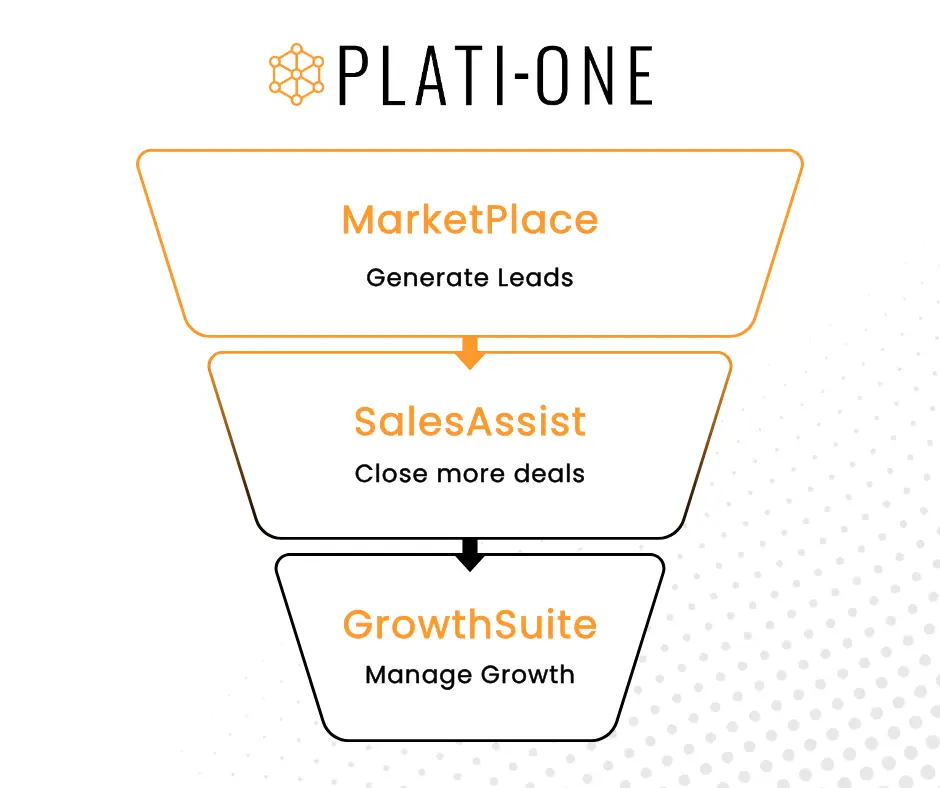
How Sales Assist Replaces the Memory‑Based Approach
At the heart of Sales Assist is a simple idea:
Sales reps shouldn't have to remember their entire pipeline.
Every morning, Sales Assist reviews every lead, every interaction, every follow‑up schedule, and every activity.
Then it creates a prioritised daily action plan.
Who needs attention.
Why they matter.
What happened previously.
What should happen next.
The rep doesn't need to reconstruct conversations from old notes or search through WhatsApp chats from three weeks ago.
The system already knows.
The right lead appears at the right time.
And the rep simply executes.
What Changes for the Sales Rep
When the system carries the memory burden, something interesting happens.
Mental energy returns.
Instead of trying to remember everything, reps can focus entirely on the conversation in front of them.
Calls become more thoughtful.
Follow‑ups become more relevant.
Conversations become more personalised.
And the leads that would normally be forgotten finally receive the patience and consistency they deserve.
Because sales reps shouldn't have to carry eighty leads in their heads.
They should be free to do what they're actually hired for:
Sell.
More posts from Plati-one
Showcase your company on Plati-one
Your Product Catalog is Useless if It's Not Mobile & SEO Friendly
How Plati-one is Building a Smarter AI-Ready Growth Suite for SMEs in India
Plati-one: AI-Enabling B2B Growth Suite for SMEs India
Web Analytics: The Hidden Growth Engine Every SME Needs
Perceived Cost vs. Value in B2B: The Hidden Price of Avoiding Digital Transformation
Contact Us
Plati-one Solutions Pvt. Ltd.
(Plati-one)
Enquiry Form
Send a product or company enquiry directly to this seller.